
Structured Event Delivery From Initial Enquiry Through Hosted Experience
Every Ember Ace evening follows a defined sequence that moves from enquiry through planning, confirmation, execution, and post-event close. Each stage is designed to clarify responsibilities, establish timing, and ensure that both organisers and venue teams operate from the same structured plan. The result is a controlled, well-paced experience that supports both dining and table entertainment without uncertainty.
Typical Lead Time
Most events are planned within a 2–6 week window, allowing time for consultation, scheduling, and confirmation.
Group Sizes
Events typically accommodate small private groups through to larger structured bookings, depending on format and layout.
Session Duration
Standard sessions run across multi-hour blocks, structured around dining, gameplay, and controlled transitions.
Stage 01 — Initial Enquiry
Initial enquiry establishes the foundation of your event. Guests or organisers provide a clear outline of what they intend to host, whether that is a private celebration, a corporate function, or a themed poker evening. This first step focuses on essential details such as estimated guest numbers, preferred dates, and the overall purpose of the event. The aim is not to finalise decisions, but to supply enough structured information for the venue to evaluate feasibility and suitability.
Required Inputs
Date or flexible date range, expected number of guests, and a clear description of the event type or intention. Additional notes such as preferred atmosphere or special requirements can help refine early assessment.
Outcome
The venue reviews availability, checks capacity alignment, and determines whether the request fits within operational formats. A response outlines next steps and confirms whether the enquiry can proceed into planning.
Stage 02 — Consultation & Planning
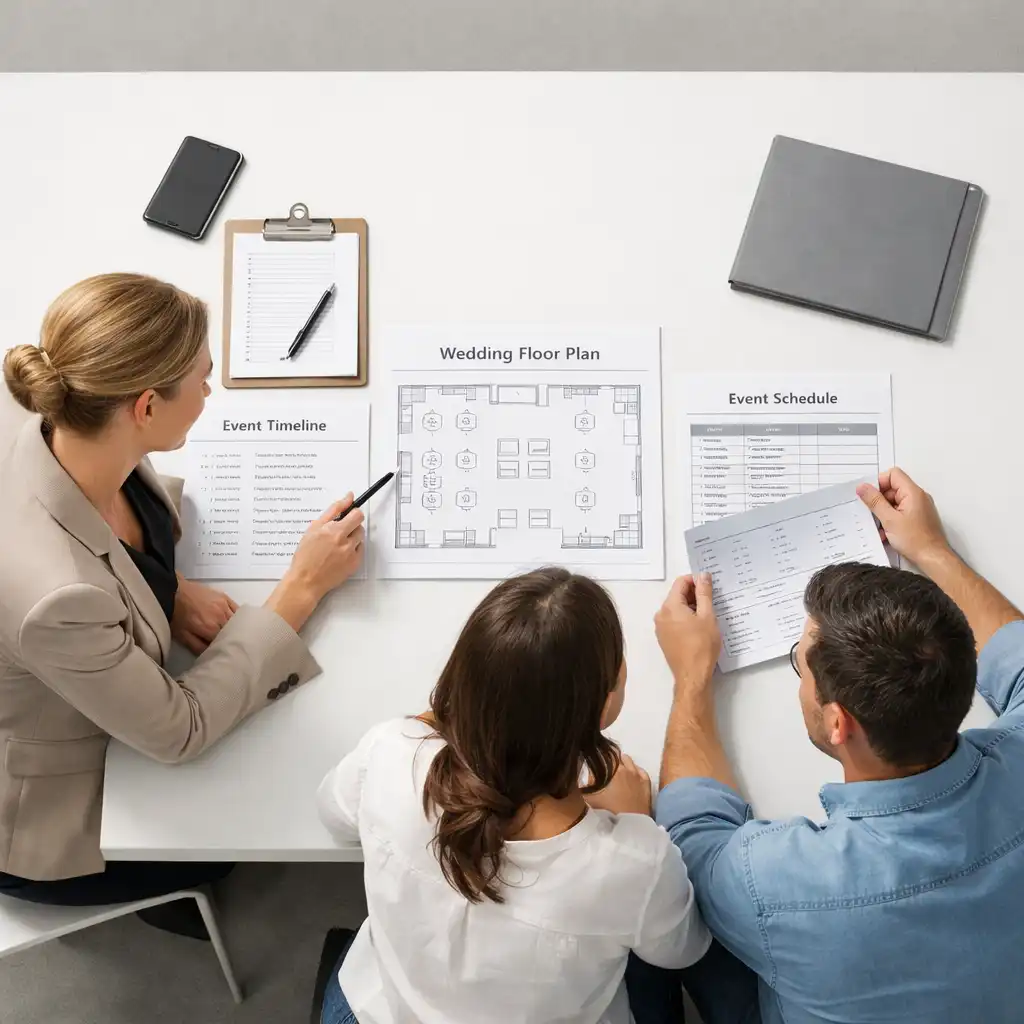
Consultation transforms a general idea into a structured event plan. During this stage, details are discussed collaboratively to define how the experience will function. This includes selecting dining formats, determining how poker or table entertainment will be hosted, and aligning expectations around pacing and atmosphere. The process is guided, ensuring that decisions are informed by venue capabilities while still reflecting the organiser’s intent.
Planning Components
Planning covers menu selection based on group size and timing, defining the gameplay or entertainment format including table allocation and hosting structure, and establishing a preliminary schedule. Attention is given to how guests move through the evening, ensuring that dining and activities are integrated rather than competing for time or attention.
Responsibilities
Venue: Coordinates layout, staffing, service flow, and entertainment hosting. Provides structured recommendations and ensures feasibility across all elements.
Organiser: Confirms guest numbers, communicates preferences, and supplies any event-specific requirements such as themes or special arrangements. Both parties contribute to refining a cohesive plan.
Stage 03 — Proposal & Scheduling
A structured proposal consolidates all agreed elements into a clear, readable format. This includes event inclusions, layout assumptions, and a defined sequence of activities. The proposal is designed to remove ambiguity by presenting each component as organised data rather than loose description, allowing organisers to review and confirm with confidence.
| Phase | Description |
|---|---|
| Arrival | Guests arrive, are welcomed, and oriented to the space and event structure. |
| Dining Service | Initial dining phase aligned with seating and early engagement. |
| Gameplay Start | Hosted poker or entertainment begins with clear instructions. |
| Mid-Session Flow | Structured pacing maintains engagement while allowing service continuity. |
| Conclusion | Final rounds and event close with managed departure. |
Stage 04 — Booking Confirmation
Booking confirmation marks the transition from planning to commitment. Once event details and schedule are agreed, the selected date and required resources are secured within the venue’s calendar. This stage finalises the structure that has been developed and ensures that all parties are aligned before moving into preparation.
Key Conditions
- Availability is secured only once confirmation is completed.
- Event scope is based on agreed planning parameters.
- Adjustments may be limited depending on timing and resources.
Stage 05 — Pre-Event Coordination
In the lead-up to the event, coordination focuses on readiness. Guest numbers are confirmed, timing is refined, and any final adjustments are integrated into the schedule. This stage ensures that no element remains unresolved, reducing the likelihood of disruption on the day of execution.
Operational Checks
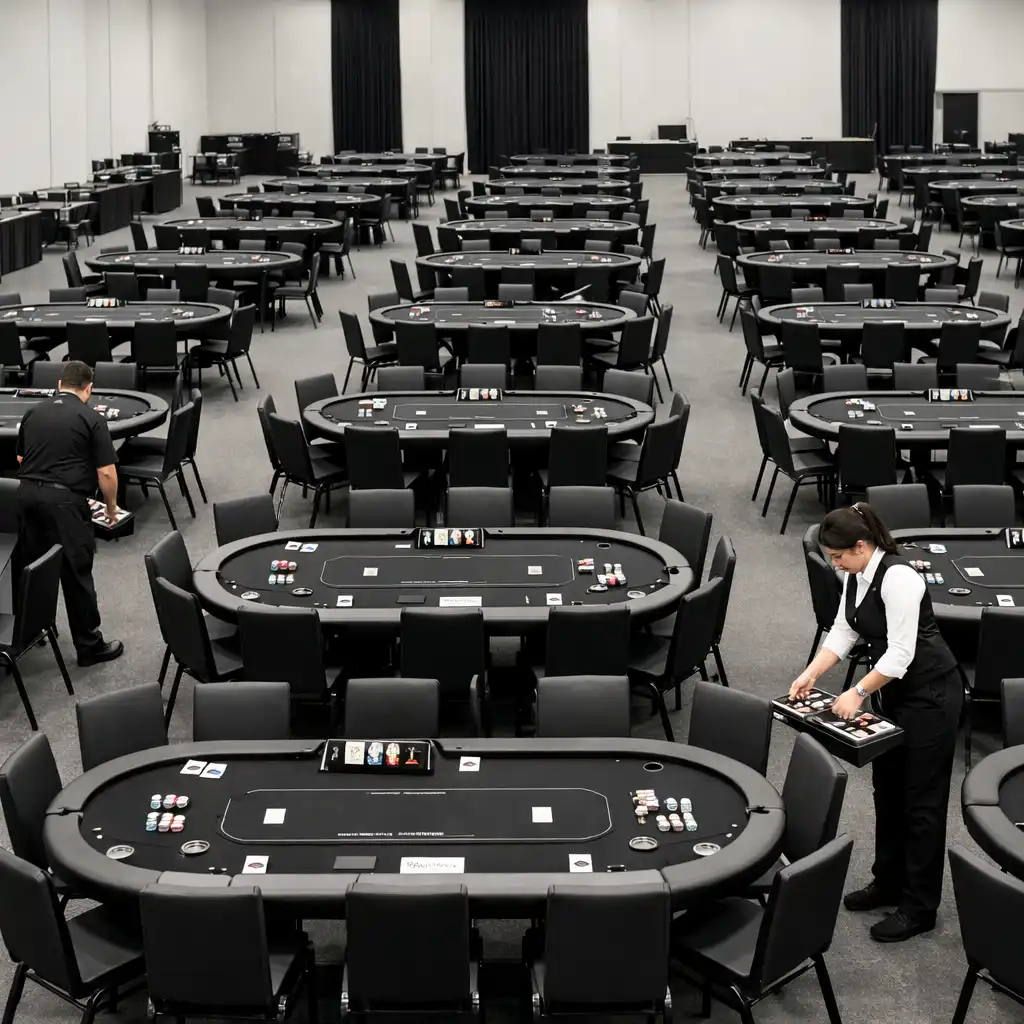
The venue prepares staff allocations, configures table layouts, aligns equipment and gameplay setups, and confirms menu preparation requirements. Each component is reviewed against the agreed plan to ensure consistency and accuracy across all aspects of delivery.
Stage 06 — Event Execution
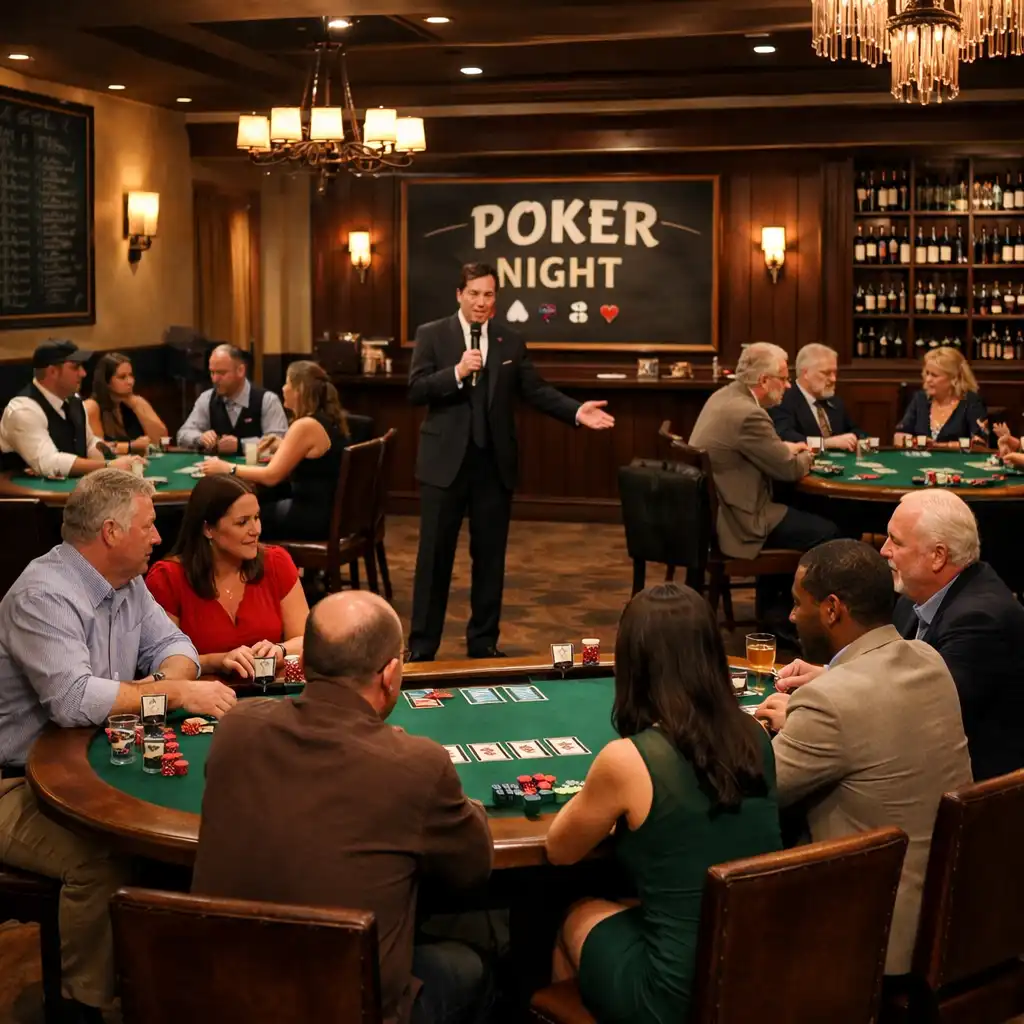
Execution follows the structured schedule developed during planning. Hosts guide the experience, ensuring that transitions between dining and gameplay occur smoothly and that guests remain engaged throughout. The format is managed in real time, balancing service flow with entertainment pacing to maintain a consistent and professional atmosphere.
Guests progress through a clear sequence beginning with arrival and orientation, followed by initial dining, structured gameplay sessions, and controlled progression toward the conclusion. Each phase is timed and facilitated to avoid congestion or idle periods, ensuring that the overall experience remains cohesive and well-paced.
Stage 07 — Post-Event Close
The event concludes with a managed close, including final interactions, guest departures, and operational reset of the venue. The structured approach ensures that the end of the evening is as organised as its beginning, maintaining consistency across the entire lifecycle.
Follow-up may include feedback collection or discussion of future bookings. This provides an opportunity to refine future events or extend engagement beyond a single session.
Process Timeline Summary
| Stage | Focus | Timing | Output |
|---|---|---|---|
| Enquiry | Initial details | Early stage | Feasibility review |
| Planning | Define structure | 1–3 weeks | Event plan |
| Proposal | Formal outline | Short turnaround | Documented schedule |
| Confirmation | Secure booking | Upon agreement | Locked event date |
| Preparation | Final checks | Days prior | Operational readiness |
| Execution | Run event | Event day | Hosted experience |
| Close | Wrap-up | Post-event | Completion and follow-up |